


Barefoot shoes and the natural function of the foot
Barefoot shoes and the foot’s natural movement—what are the real benefits?
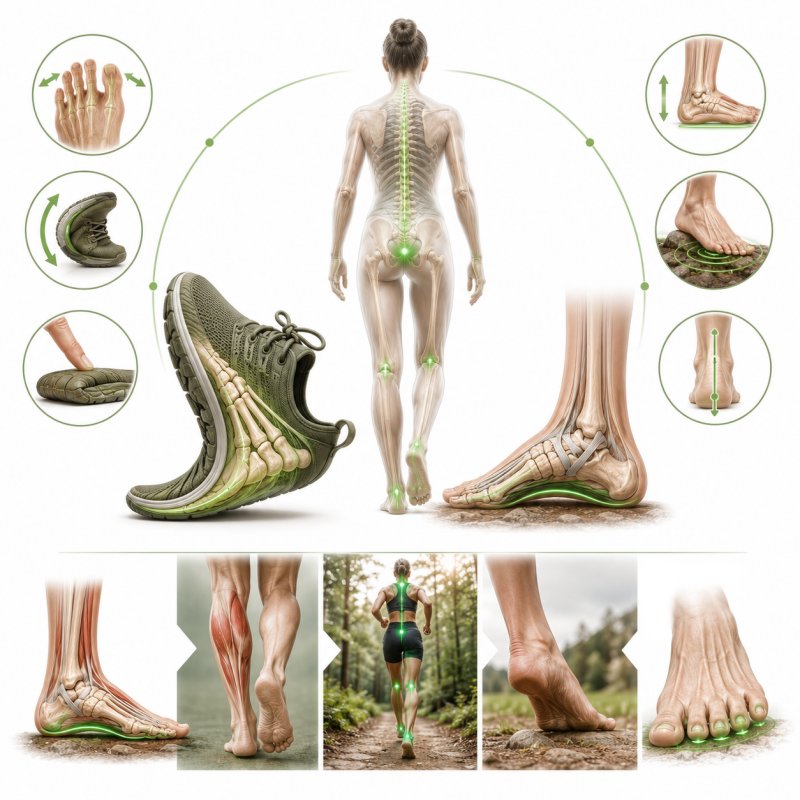
The foot is one of the most complex structures in the human body. Yet it is also one of the most underappreciated parts of the body. Every step, jump, and change of direction begins with the feet, but modern shoes can prevent the foot from functioning as it is meant to.
Barefoot shoes are designed to support the foot’s natural movement rather than restrict it. But what does this mean in practice? And why are more and more people becoming interested in the health benefits of barefoot shoes?
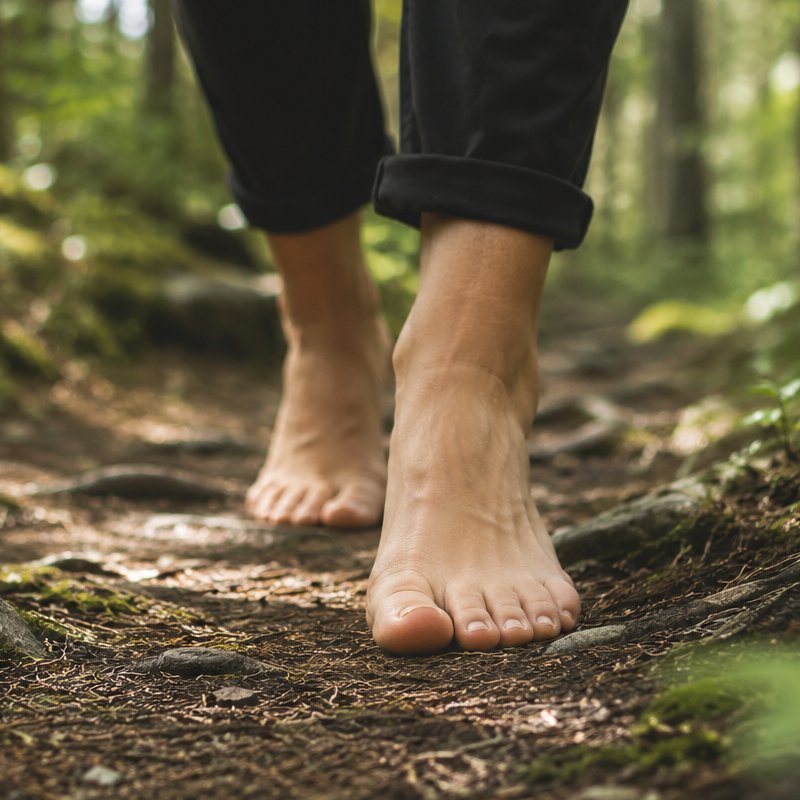
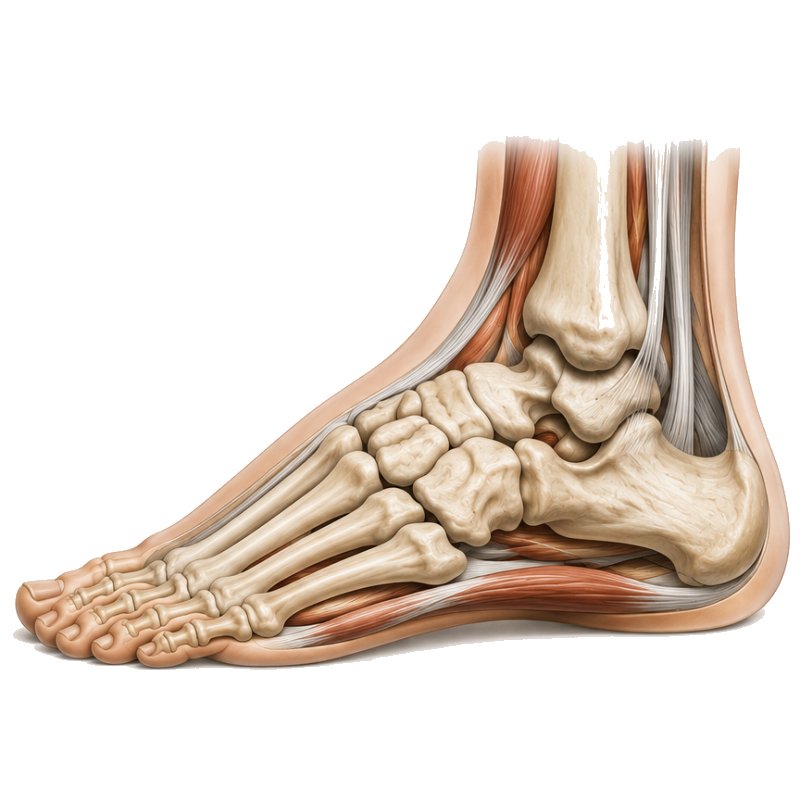
The foot is an incredibly complex structure
The human foot consists of:
- 26 bones
- 33 joints
- more than a hundred muscles, tendons, and ligaments
The foot works simultaneously:
- as a shock absorber
- as a stabilizer
- as a power transmitter
- flexible and adaptable to various platforms
With every step, the foot reacts to the ground and automatically changes shape. This sophisticated mechanism helps the body move efficiently and with balance.
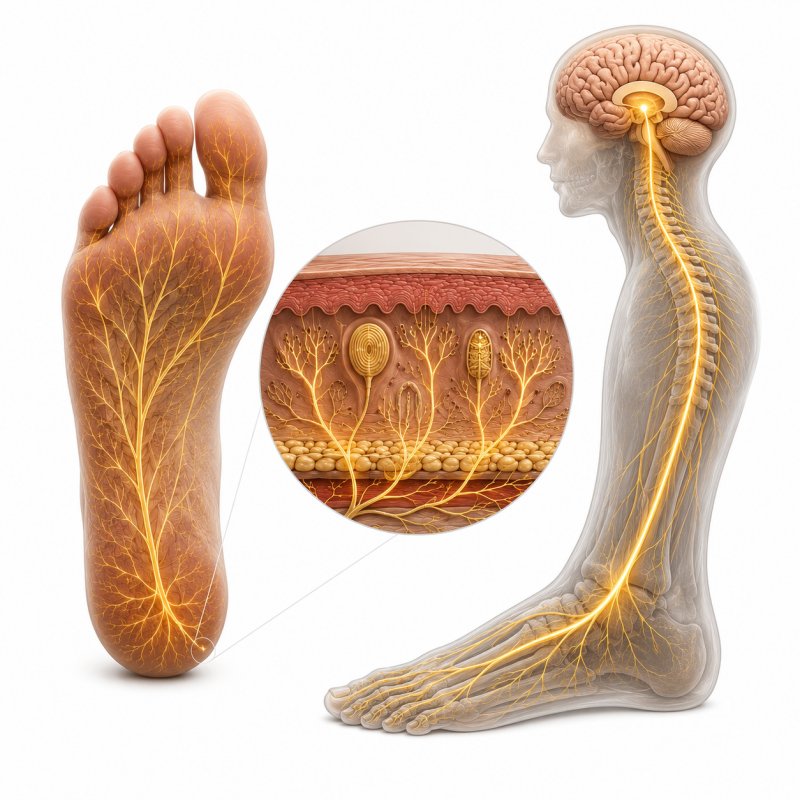
There are a huge number of nerve endings in the soles of the feet
There are over 200,000 nerve endings in the soles of the feet. This makes them one of the body’s most important sensory areas.
Nerve endings constantly transmit information:
- the hardness of the platform
- irregularities
- tilting
- focus
- from the store
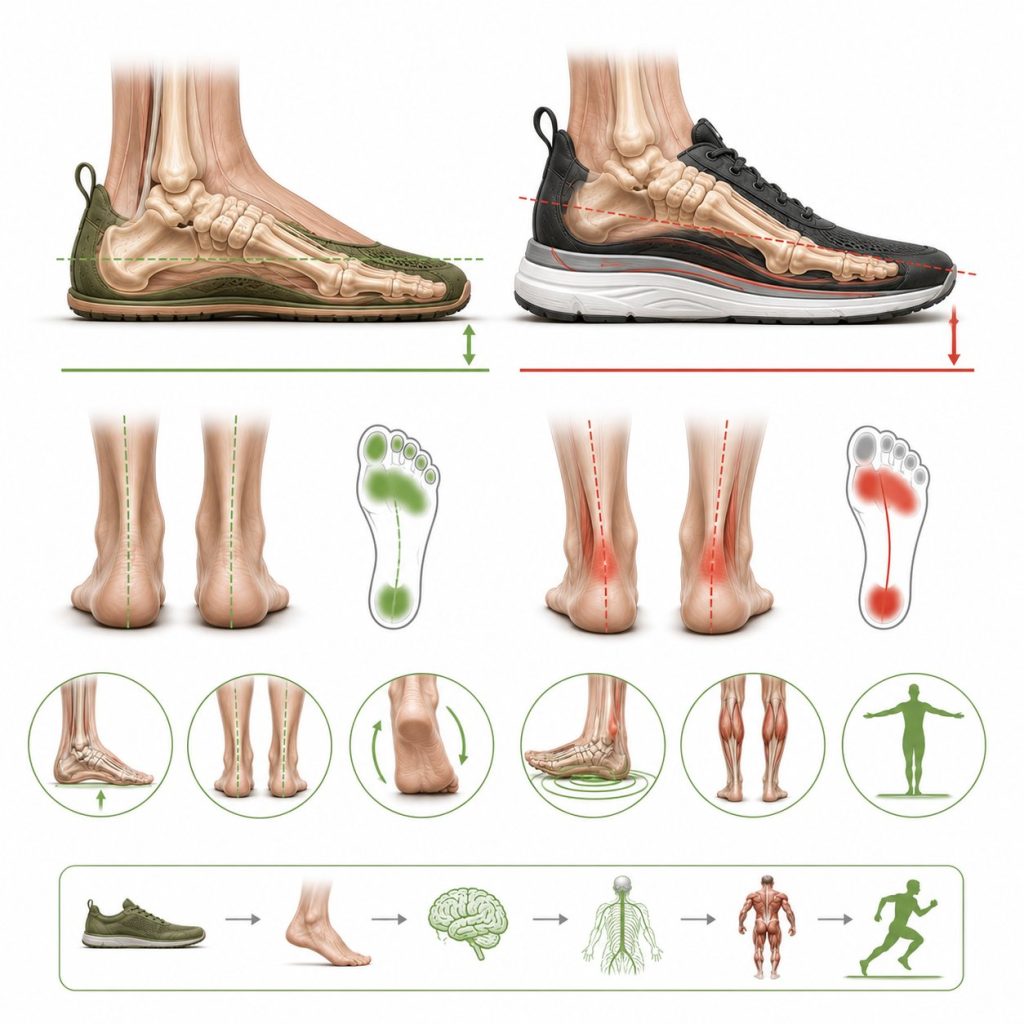
The brain uses this information in conjunction with the sense of balance to control the body’s posture and movements in near real time.
When the feet can sense the ground naturally, the body reacts more quickly and effectively. Movement becomes smoother and balance more natural.
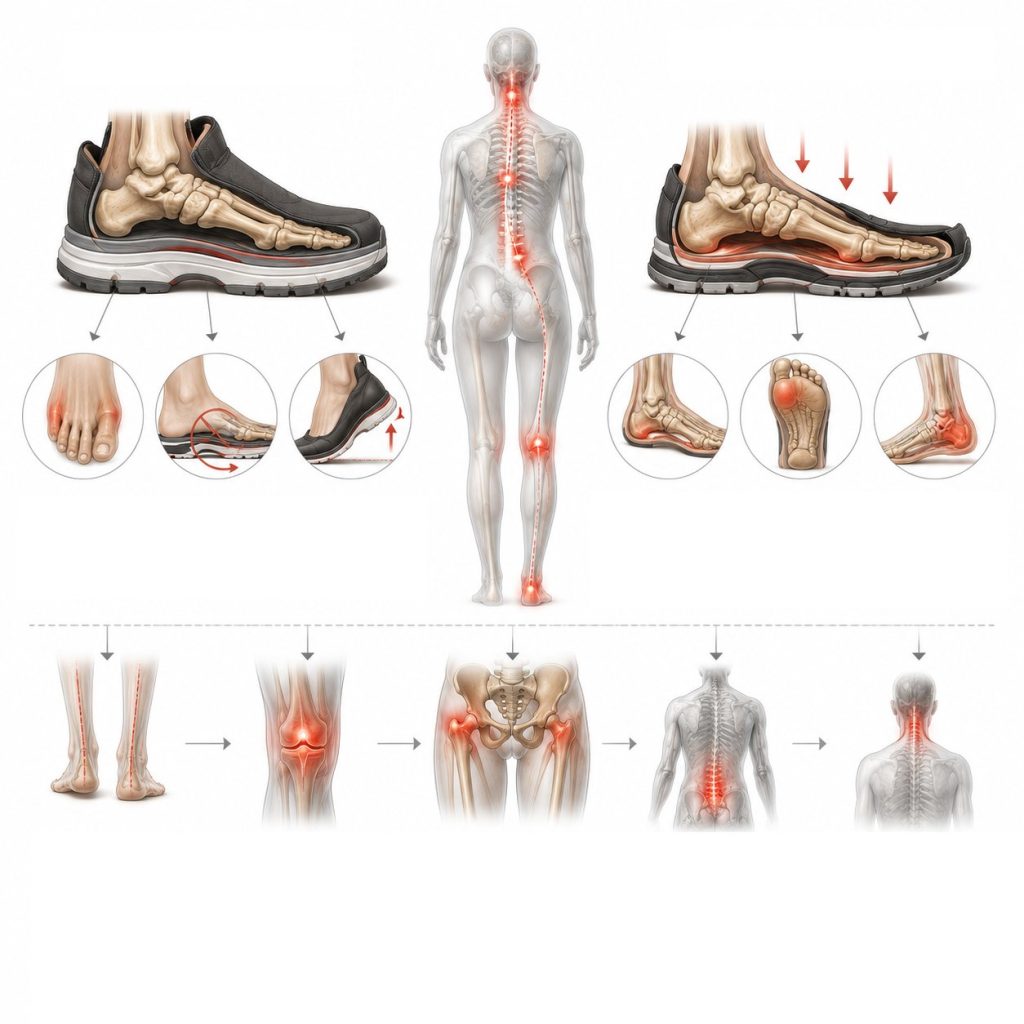
Thick, stiff shoes can impair your natural sense of touch
Many ordinary shoes have:
- thick bottom
- strong damping
- rigid structure
- narrow toe box
- raised level
Although these features may feel soft and supportive, they also restrict the foot’s natural movement.
When sensory feedback from the soles of the feet decreases:
- the body reacts more slowly
- walking becomes more difficult
- balance may be impaired
- the strain may shift to other parts of the body
The body’s systems are interconnected. That is why a problem in the foot can also manifest itself in:
- on one’s knees
- in the hip
- in the lower back
- on the shoulders
- even up to the neck area
What makes barefoot shoes different?
Barefoot shoes are designed to mimic the sensation of walking barefoot while protecting the feet.
Their most important features are:
- wide toe box
- flexible structure
- thin bottom
- zero-drop construction
- light feel
The goal is not to “force” the foot into a specific position, but to allow it to move naturally.
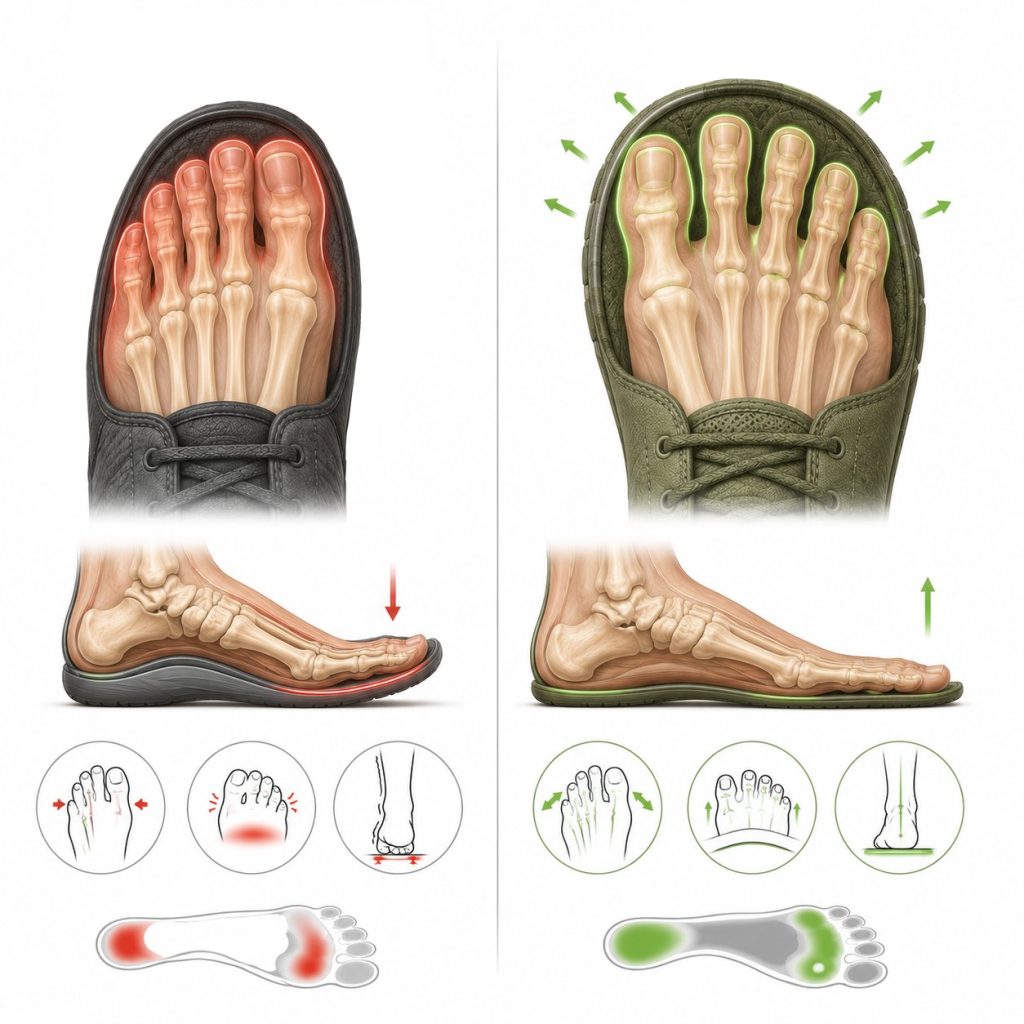
The wide toe box gives your toes room to move
Many ordinary shoes squeeze the toes together. This can impair the foot’s natural function and balance.
In barefoot shoes, your toes can spread out naturally with every step.
This can have several benefits:
- a more stable base on the ground
- better balance
- a more natural stride
- less compression and pressure
The toes play an important role in the body’s balance system. When they are able to participate in movement normally, overall body control can feel more stable.
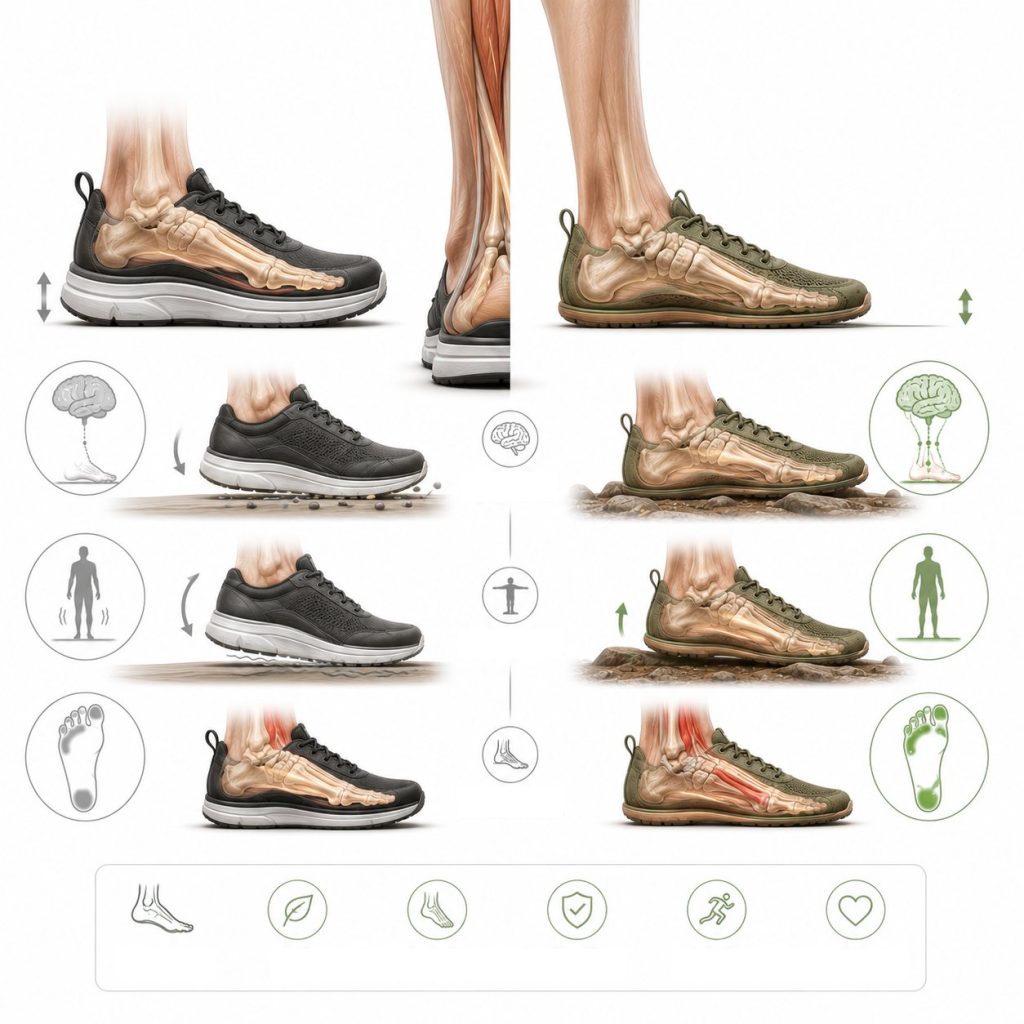
The thin sole provides better contact with the ground
The thin sole of barefoot shoes helps the soles of your feet sense the ground more accurately.
This can:
- engage the small muscles in the leg
- improve the body’s response
- increase body awareness
- make movement feel more natural
Many people describe the feeling as “lighter” or “more comfortable” compared to shoes with thick soles.
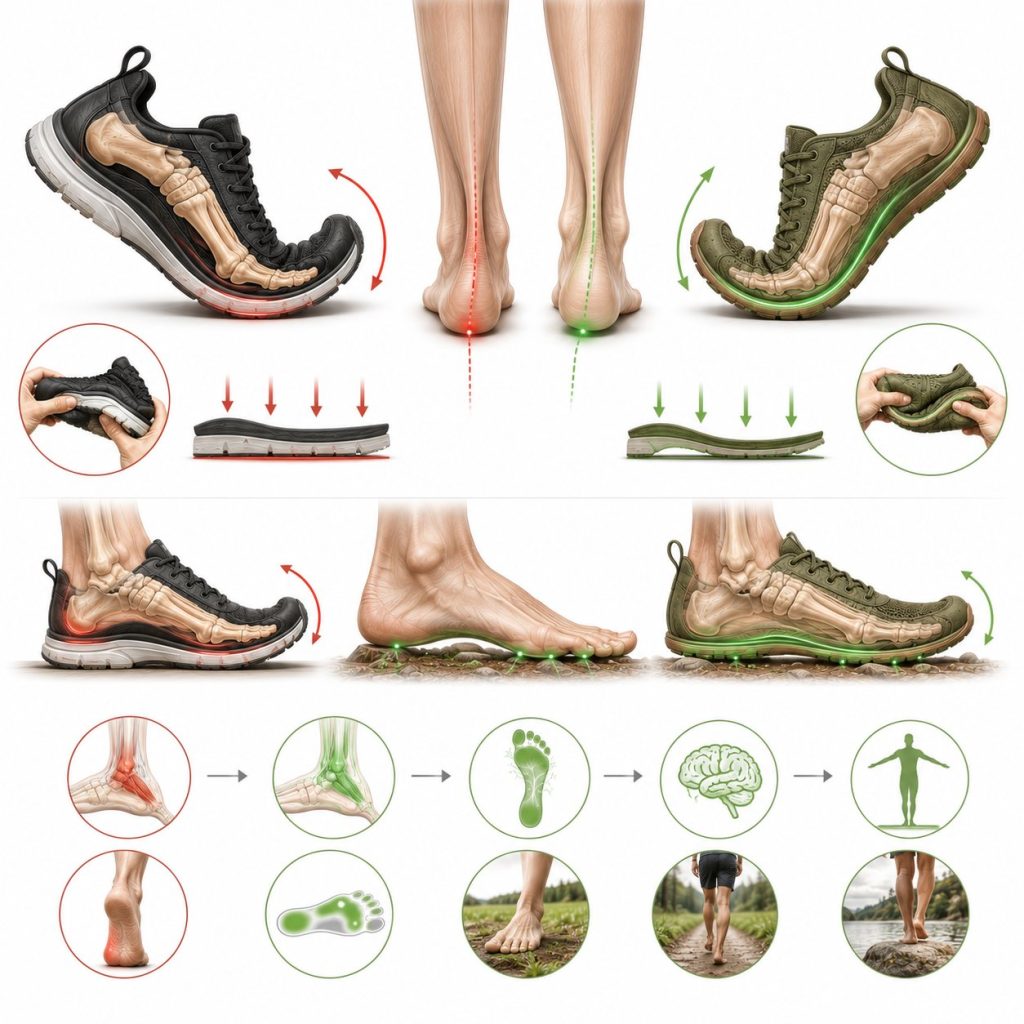
The flexible design supports the foot’s natural movement
The foot is not a rigid structure. It bends and adapts constantly.
That is why barefoot shoes are designed to be extremely flexible.
Flexible sole:
- allows the foot to move naturally
- reduce restrictions on movement
- enables more active muscle engagement
When the shoe moves with your foot, your stride may feel more natural and lighter.
Zero Drop – a more natural posture for the body
“Zero drop” means that:
- the heel and the ball of the foot are at the same height
In many standard shoes, the heel is raised. This can shift the body’s posture forward and alter the natural distribution of weight.
The zero-drop design is designed to maintain:
- a more natural posture
- a more even load
- a more natural gait
Can barefoot shoes strengthen your feet?
Many people feel that wearing barefoot shoes:
- engages the small muscles in the leg
- increases foot mobility
- supports the foot’s natural function
Because the foot does more of the work on its own, the muscles may engage differently than they do in highly supportive shoes.
However, this won’t happen overnight.
It’s best to switch to barefoot shoes gradually
If your foot is used to it:
- heavy damping
- on a hard surface
- strong support
It’s best to make the switch to barefoot shoes gradually.
The muscles in the feet and calves need time to adjust to the new way of moving.
A good way to start:
- short walks
- light everyday use
- gradual increase in operating time
Who are barefoot shoes suitable for?
Barefoot shoes may be of particular interest to people who:
- value natural movement
- want more room for their toes
- find regular shoes too tight
- want to increase their leg activity
- are looking for a lighter feel when walking
However, the experience is always personal.
Summary – Why Are More and More People Choosing Barefoot Shoes?
The idea behind barefoot shoes is simple:
Instead of the shoe forcing the foot into a certain shape, the foot is able to move more naturally.
A wide toe box, flexible construction, a thin sole, and zero drop can help:
- in a more natural movement
- in better balance
- more active use of the foot
- more comfortable
When your foot is able to do what it was designed to do, your movements may feel more fluid throughout your entire body.
Frequently Asked Questions About Barefoot Shoes
Are barefoot shoes good for your feet?
Many people find barefoot shoes more natural and comfortable, especially because of their wide toe box and flexible design.
What does “zero drop” mean?
“Zero drop” means that the heel and forefoot of the shoe are at the same height.
Can barefoot shoes help with balance?
A thin sole and better ground feel can help the body respond to movement more naturally.
Do you have to get used to barefoot shoes?
Yes. It’s best to make the transition gradually so your legs have time to adjust.